Posted on

Top Synthetic Cable Benefits: Safe, Light & Strong

synthetic cable - Jeep winch

Advantages of Using Synthetic Cable

Think about the last time you handled a steel cable. You probably remember its weight, the rough feel, and maybe even those sharp, broken wire that tear up gloves and hands. For decades, we’ve accepted these disadvantages as the price for strength. But with the advances in cable technology, synthetic options have changed the game and synthetic cable is a clear upgrade.

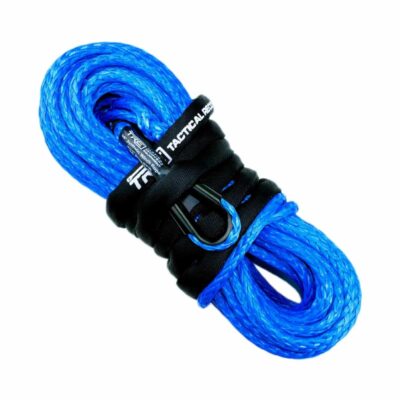
A modern material (UHMWPE) is proving to be the best alternative to steel wire rope: synthetic cable. These advanced ropes challenge everything we assume about strength. In practice, they are not only significantly stronger than steel of the same size, but they are also so light they can float on water.

This massive upgrade offers more than just convenience; it creates a huge leap in safety. A snapped steel cable releases deadly energy, while a synthetic line simply falls to the ground. These advantages make synthetic cable key to working smarter and safer.

Stronger and Lighter Than Steel

For decades, the rule has been simple: heavier means stronger. Your mind probably pictures a thick, heavy steel cable for towing a truck or lifting an engine. Modern synthetic ropes, made from incredibly advanced fibers, flip that idea on its head. Pound for pound, a high-quality Tactical Recovery Equipment synthetic rope is significantly stronger than a steel cable of the exact same thickness. This isn’t a slight improvement; it’s a game-changing leap in material science, with synthetic cable outperforming the alternatives.

The difference is staggering when you handle them. A typical 80-foot steel winch line can weigh over 30 pounds and is a stiff, awkward beast to manage. The equivalent synthetic rope often weighs less than 5 pounds—so light it floats. Imagine swapping a heavy piece of industrial equipment for something you can carry with one hand. That’s the real-world difference, making setup and pack-up faster and far less of a chore, which is why synthetic cable is becoming the preferred choice.

This incredible strength-to-weight advantage isn’t just about convenience. For anyone using a winch on a 4×4 or managing lines on a boat, shedding 25+ pounds of dead weight from the front of your vehicle or the top of your mast matters. It’s less strain on you and your equipment. But the benefits of this modern material go far beyond just saving your back; its most important feature is how it keeps you safe—and synthetic cable is leading the way in safety.

Why Synthetic Cable Won’t Snap Back: The Single Biggest Safety Advantage

The single most important difference between steel and synthetic isn’t strength or weight—it’s what happens when the cable breaks. We’ve all seen dramatic videos or heard warnings about a tow strap snapping. With a steel cable, this event is incredibly dangerous. The metal stores a phenomenal amount of energy when stretched, and if it fails, it releases that energy in a violent, unpredictable explosion known as “snap-back.” The broken ends of the cable can whip through the air faster than the eye can see, capable of causing devastating damage or fatal injury to anyone nearby. Most importantly, as synthetic cable is engineered differently, it does not snap back in this manner, vastly improving safety.

Think of a steel cable like a massive, heavy rubber band. The more you pull on it, the more energy it holds. A synthetic rope, however, is the exact opposite. Because it has very little stretch, it stores almost no energy. If it ever reaches its breaking point—which is already higher than steel’s—it doesn’t explode. It simply breaks and falls to the ground. This one property makes synthetic rope profoundly safer for winching, towing, and recovery situations, giving you peace of mind that a failure won’t turn into a catastrophe. Especially in stressful operations, using synthetic cable ensures you avoid many risks associated with steel.

No Rust, No Splinters, No Problem: The Everyday Perks

Safety is paramount, but the day-to-day experience of using synthetic rope is what truly wins people over. Anyone who has handled an old steel cable knows the routine: heavy, greasy, and prone to developing sharp, broken wires that can easily slice through unprotected hands. Synthetic fiber rope (UHMWPE) completely eliminates these headaches. It’s clean to handle, remarkably flexible, and won’t leave you with rust stains all over your hands, boat deck, or vehicle. On top of all this, synthetic cable remains safe and easy to work with.

This improved handling translates into real-world convenience every time you use it. Consider the practical perks:

  • No Rust or Corrosion: It’s immune to rust, making it perfect for marine environments or wet, muddy recoveries. Owners of synthetic cable enjoy lasting, trouble-free performance.
  • No Sharp Wires: You can handle it confidently without thick gloves, saving your hands from painful cuts. The smooth surface of synthetic cable makes a big difference in safety.
  • Easy to Spool: Its flexibility makes it far easier to wind neatly onto a winch drum without kinking. Synthetic cable reliability shines in both handling and storage.
  • It Floats: A floating rope is a game-changer for boating and off-road water crossings, as it’s much easier to retrieve and won’t snag on the bottom. In rescue and marine scenarios, the advantage of synthetic cable cannot be ignored.

Is Synthetic Cable Worth It? A Clear Answer

While synthetic rope often has a higher price tag than steel, the upgrade in safety and convenience makes it a smart investment, not just an expense. You’re trading an upfront cost for an end to wrestling with heavy, rusty cable and, most importantly, for peace of mind when it matters most. When weighing these advantages, choosing synthetic cable is clearly worthwhile.

Ultimately, you aren’t just buying a different kind of rope; you’re buying a better, safer experience for your truck, boat, or farming equipment, and synthetic cable delivers on all fronts.


Posted on

How to Clean Your Synthetic Winch Rope | Synthetic Winch Rope Care

cleaning-your-synthetic-winch-rope

There are many reasons why your Synthetic Winch Rope can fail. A dirty winch line could be one of them. When dirt, mud and sand is caught between the 12 strand layers of UHMWPE rope it can cause abrasion. Abrasion is the most common reason for damaged winch rope or winch rope breakage issues. Maintaining and properly cleaning your winch rope will decrease damage and possible failure while potentially extending the life of the rope.

Following these few steps to properly clean your synthetic winch rope will help maintain the life of your TRE Synthetic Winch Rope! It  is best to clean your synthetic winch rope every time your winch line has came in contact with mud, sand, or dirt. Winch ropes are usually stored on the front bumper of most vehicles and subject to damage from chemicals and bugs caused during normal driving. While cleaning your winch rope, make sure to also inspect for abrasion issues, cut strands or any other damage.

Steps to Properly Clean your Synthetic Winch Rope:

  1. Remove your Synthetic Winch Rope from winch drum.
  2. Check the winch rope for any damage or signs of abrasion.
  3. Fill a clean bucket with warm water.
  4. Remove any abrasion/chafe guards from the rope.
  5. You will want to repeatedly submerge the winch rope into the warm water and compress the winch line together. Cleaning your winch rope with this method will loosen the dirt from the middle of the strands.
  6. Continue step 3 until the entire length of rope has been cleaned.
  7. Lay your Synthetic Rope to dry.
  8. Spool Synthetic Winch Line back onto drum under light tension while creating even layers and rows.

All TRE products made from synthetic rope can be cleaned using the above procedure including winch extensions and soft shackles.

**Do not use a pressure washer, or a degreaser cleaner on winch rope. Also do not put your winch rope in the washing machine**
 

Posted on 1 Comment

Choosing the Correct Size Winch Rope for Your Winch?

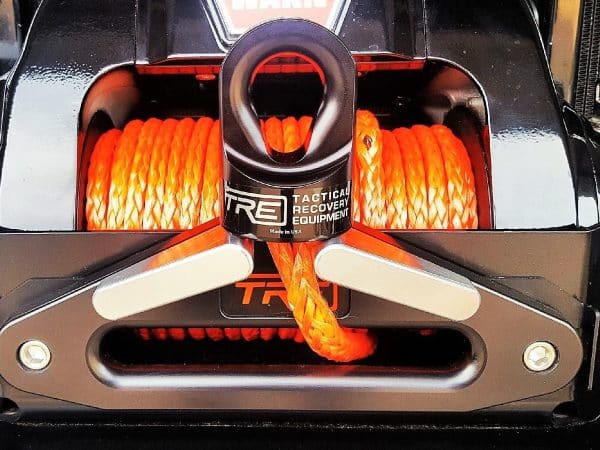
safety thimble fairlead

It’s finally time to replace that worn out old steel winch cable? Or maybe your wanting to replace your current winch rope with one of ours? How do you choose the correct size winch rope?  What size diameter and length will fit on my winch? Many people assume that when they are purchasing a new winch rope for their winch,  they can get the largest and longest size they can find.  This is absolutely not true and can cause major damage to your winch.  If you want to know the details of this issue continue to read on, or you can go straight to our Winch Rope Conversion Chart to see what size winch rope is recommended for your particular winch model. If you don’t see your winch model, feel free to contact us!

Continue reading Choosing the Correct Size Winch Rope for Your Winch?

Posted on

Is Your Winch Bumper Ready For Use With A Synthetic Winch Rope? – Checking Your Fairlead Mount Opening

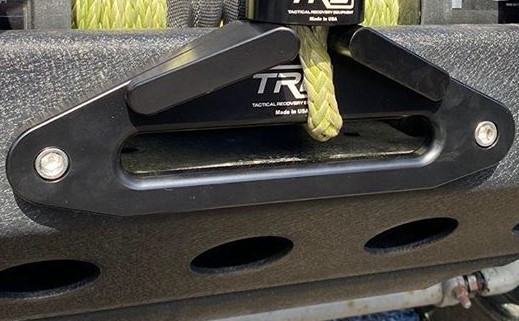
Improper Fairlead Mount Opening

So you’ve already made the switch to synthetic winch rope or plan on making the switch to synthetic. Or, you have used your new synthetic winch rope and it failed almost immediately? How about you see abrasion on the rope and you have no clue how it happened? Chances are the fairlead mount opening on your winch bumper is the incorrect size for use with synthetic winch rope.  The fairlead mount is where your Hawse Fairlead mounts to and your synthetic winch rope passes through from the winch drum. During the winching operation, your winch rope will pass through your winch fairlead opening.  While the Hawse Fairlead acts a guide for your winch rope, it is rare to get a perfectly straight pull all the time. So the rope must come in contact with a smooth surface on angled pulls to avoid abrasion which damages the synthetic winch rope. If the first thing the rope comes in contact with is the mount opening before the fairlead surface, you have a huge issue.  The single most important feature of your winch bumper is the fairlead mount opening size when making the switch to synthetic.  Many winch bumper manufactures overlook this detail.  The correct winch fairlead mount minimum opening for synthetic winch rope is 1.75″.  We typically see openings of 1″ to 1.25″, this is simply too small for using rope and must be addressed. Don’t risk breaking or damaging your new winch rope by overlooking this!

Continue reading Is Your Winch Bumper Ready For Use With A Synthetic Winch Rope? – Checking Your Fairlead Mount Opening

Posted on

Replacement Winch Rope for Warn Zeon Winches

safety thimble fairlead

If you are looking to replace your worn out cable or synthetic winch line on your Warn Zeon Winch, then look no further. Tactical Recovery Equipment offers a Replacement Winch Rope for Warn Zeon Winches. All TRE Replacement Synthetic Winch Ropes are made of Heavy-Duty, 12 strand UHMWPE synthetic rope. Each 3/8″ Synthetic Rope has a breaking strength of 20,000 lbs. The Replacement Winch Rope for Warn Zeon Winches are available in 85 ft. ,100 ft. & 125 ft. lengths, depending on which Zeon model you have. Each synthetic rope comes with 8 ft. of black durable Polyester sheathing to protect your synthetic rope against abrasion on a rock, or sharp tree. The Replacement Winch Rope for Warn Zeon Winches has two options for the winch termination, the standard tube thimble or a Safety Thimble.

*When ordering please write in the notes that it is for a zeon winch, and we will create the loop that will be needed for installation.

Optional Safety Thimble

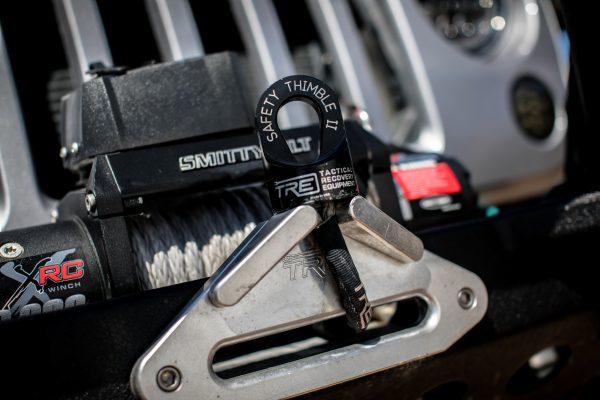
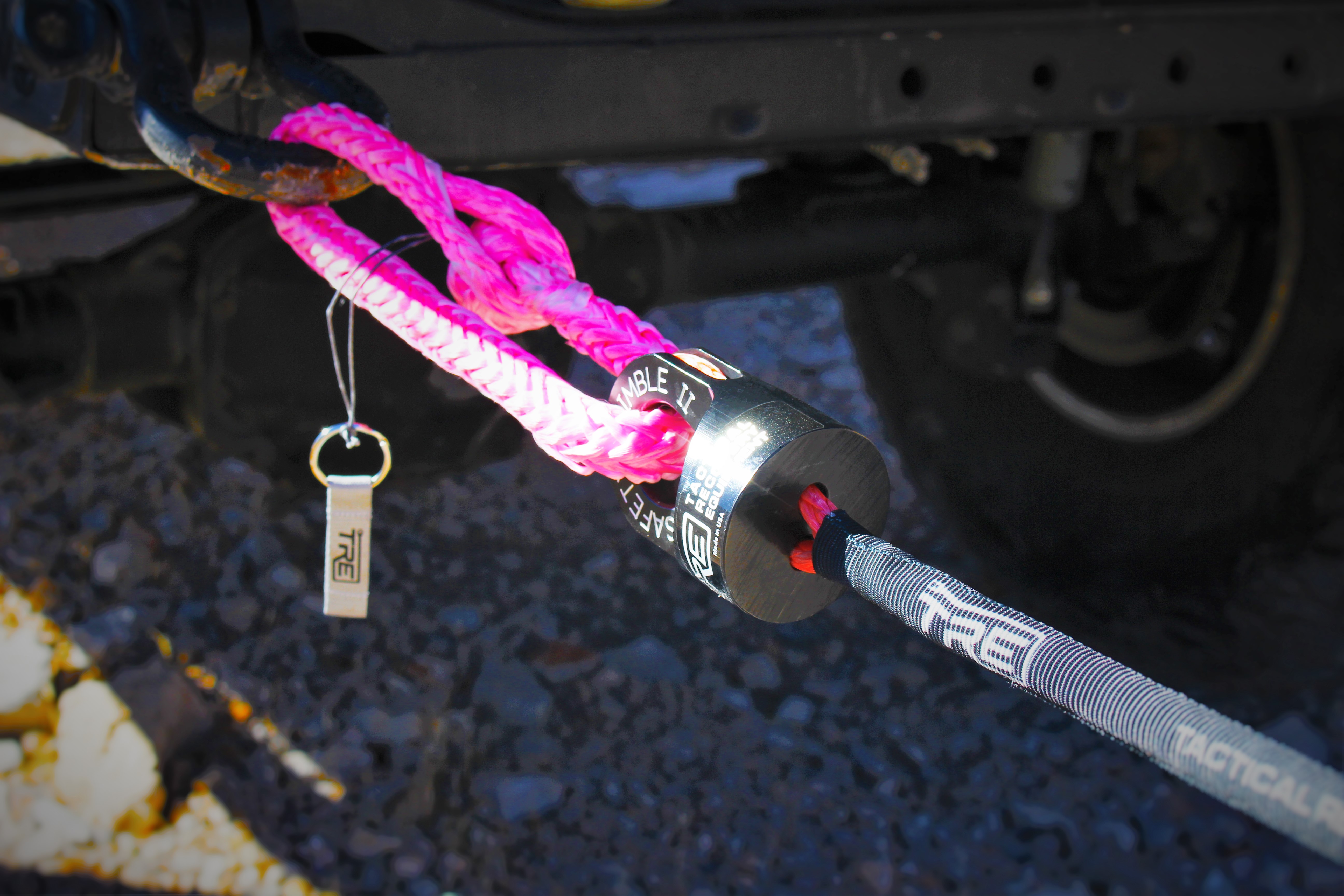
The “Original” Safety Thimble II was the first “Winch Thimble”, designed and used in the off-road industry. The Safety Thimble II has been in existence since 2004 and is the safest winch termination for all synthetic winch lines. Not only does TRE offer 10 Synthetic Winch Rope colors but also 5 different colored Safety Thimble II. Each Replacement Winch Rope for Warn Zeon Winches ropes comes pre-assembled, along with all the hardware needed for an easy installation. Continue reading Replacement Winch Rope for Warn Zeon Winches

Posted on

TRE Recovery Gear in Use at Winter 4×4 Jamboree 2018


winter 4x4 jamboree 2018

Winter 4×4 Jamboree 2018

An off-road event like no other, the winter 4×4 Jamboree gets bigger and better each year. This Winter 4×4 Jamboree 2018 marked the fourth year that Tactical Recovery Equipment has attended while being a silver sponsor and vendor. The weather couldn’t have been more perfect with a warm 65 degrees on Thursday and Friday. The Weather then turned into rain and snow on Saturday but that made it better for the mud puddles!

Continue reading TRE Recovery Gear in Use at Winter 4×4 Jamboree 2018

Posted on

Tactical Recovery Products at Hump-N-Bump 2017

Tactical Recovery Equipment Product

Tactical Recovery Equipment attended the 36th annual Hump n Bump at the Logandale Fairgrounds this past weekend. This year was the 4th year that Tactical Recovery Equipment has helped sponsor Hump n Bump as a Gold Level Sponsor. TRE raffled off Two 85 ft. Winch Ropes with Safety Thimble II, Two Safety Thimble Fairleads, one 3/4 inch Kinetic Recovery Rope, as well as four Soft Shackles. Unfortunately there was one roll over this year during the Bronco Falls run, thankfully the driver walked away with no injuries! We also had a nice visit from Blackops with his 2017 Sema build of his LS7 1984 CJ7 On 49” Tires. It was another successful year at Hump n Bump selling real world safe recovery gear. If you have not yet been to this event, we suggest you check it out and register next year!

Posted on

Winch Rope for Warn 8274 cable conversions or Replacement Synthetic Winch Rope (M8274 , M8275-50, 8274-60)

Winch Rope for Warn 8274

Synthetic Winch Rope for Warn 8274 model winches. Whether you converting your M8274 from steel cable to synthetic winch rope or just replacing your worn out winch rope, we have everything you need to make installation easy. The Warn M8274 winch is the most well-known and recognized model since 1974. There has been few changes made to this model winch over the years with the exception adding the M8274-50, M8274-60, M8274-S.

All TRE Synthetic Winch Ropes are made of 12 strand UHMWPE Synthetic Rope coated with a UV protectant and tested to meet Minimum Breaking Strengths. All of our ropes come with your preference of Working End options such as; Tube Thimble Only, Tube Thimble with Hook, Soft Loop End or Safety Thimble.

When converting steel cable to Synthetic Winch Rope for Warn 8274 it is recommended to replace the roller fairlead with a Hawse fairlead made for synthetic rope.

Synthetic Winch Rope is Stronger, Lighter and Safer than wire rope of equal diameter.

Original Warn M8274, 8274-50

The original Warn M8274 and 8274-50 is an 8,000 lb. winch and was originally sold with 5/16 x 150 ft. of wire cable.  When converting from steel cable to synthetic winch rope the minimum replacement rope diameter should be 5/16″ x 150 ft. Our 5/16 replacement winch rope has a breaking strength of 13,000 lbs. which is more than the recommended 1.5 times the max pull of the winch.

If you are always using your winch in environments that will see heavy abrasion exposure to your winch rope, you can upgrade to a 3/8″ x 125 ft. for added protection. It is not recommended to use any larger diameter rope than 3/8.

Click here to purchase our 5/6″ Winch Ropes for Warn 8274

*Choose the “No Drum Attachment” option for the correct end to make the attachment to the drum.

M8274 10,000lb Winch with Steel Rope – 106170

The Warn M8274 is a 10,000 lb. winch and is sold with 3/8 x 125 ft. of wire cable.  When converting from steel cable to synthetic winch rope the minimum replacement rope diameter should be 3/8″ x 125 ft. Our 3/8 replacement winch rope has a breaking strength of 20,000 lbs. which is double the recommended minimum of 1.5 times the max pull of the winch.

Click here to purchase our 3/8″ Winch Ropes for Warn M8274

New Warn 8274-S, 8274-60

The Warn M8274-S is a 10,000 lb. winch and is sold with 3/8 x 150 ft. of synthetic winch rope.  When replacing synthetic winch rope the minimum replacement rope diameter should be 3/8″ x 150 ft. Our 3/8 replacement winch rope has a breaking strength of 20,000 lbs. which is double the recommended minimum of 1.5 times the max pull of the winch.

Click here to purchase our 3/8″ Winch Ropes for Warn M8274


Choosing the Correct Size Winch Rope for Your Winch?

Posted on

Replacement Winch Rope for Smittybilt Winches

TRE Replacement Winch Rope for Smittybilt Winches

TRE Replacement Winch Rope for Smittybilt Winches are available for all models of Smittybilt winches. Our winch rope is made 12 strand synthetic rope with an MBS (Minimum Breaking Strength) of20,000 pounds. Each Replacement Winch Rope can be purchased with a Safety Thimble II or standard steel eyelet and also comes with 8 ft. nylon sheath and a replacement drum attachment. Replacement Winch Rope for Smittybilt Winches is available in many colors as well as the appropriate length depending on your Smittybilt winch model. Replacement Winch Rope  are a direct replacement rope that comes pre-assembled and ready to install. Continue reading Replacement Winch Rope for Smittybilt Winches

Posted on

Kinetic Energy Tow Rope

Kinetic-Energy-Tow-Rope

Kinetic Energy Tow Rope with a 32,000 pound Pulling Capacity

IMG_2065

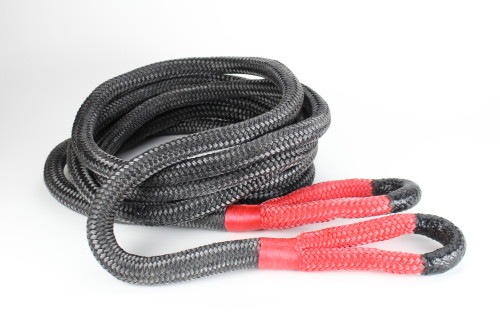
Our Heavy Duty Kinetic Energy Tow Rope with an amazing 32,000 lbs of pulling capacity can pull you out of just about any situation including mud, sand or snow. These Kinetic Recovery tow Ropes provide superior performance, strength and durability compared to conventional Tow Ropes. It’s ability to stretch under load allows it to use it’s own kinetic energy to help reduce the amount of energy needed to recovery your vehicle. These Heavy Duty “snatch ropes” use a double braided rope and feature a Urethane Polymer Coating making them resistant to UV, Water and Abrasion. Our ropes are commercially braided and spliced with heavy duty loops on each end allowing multiple ways to make connections no matter what type of vehicle you are trying to recover. Continue reading Kinetic Energy Tow Rope